
Our Offerings for Climate Justice
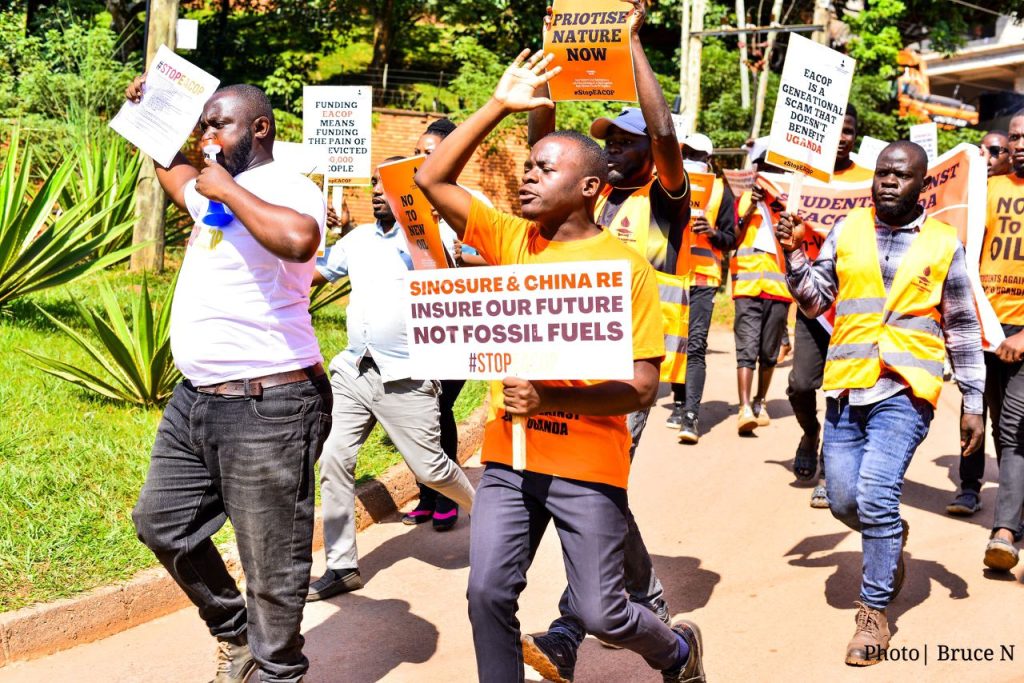
Natural Resources Governance Program
This program works to ensure that communities have transparent, fair, and accountable control over their natural resources—land, water, forests, minerals. Key components might include:
Training community leaders and local government staff on laws and policies (e.g. land tenure, environmental impact assessments).
Facilitating access to information like mining contracts, EIAs, benefit-sharing agreements.
Monitoring environmental degradation (deforestation, pollution, watershed loss) and advocating for remediation.
Engaging in policy dialogues and legal advocacy to push for reforms that protect marginalized groups, women, indigenous people.
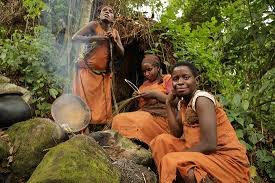
The Indigenous Batwa Program
Focused on the Batwa people (often called forest peoples), this program aims to restore dignity, rights, and livelihoods of an indigenous group displaced and marginalized due to conservation efforts and land dispossession. Possible elements:
Education sponsorship for children; adult literacy and skills training.
Land rights advocacy: seeking legal recognition of land, secure access to land for agriculture or homes.
Socio-economic support: livelihood programs (agriculture, crafts, small enterprise).
Cultural revival: preserving indigenous knowledge, customs, medicinal plants, traditional governance.
Health, hygiene, water & sanitation support.
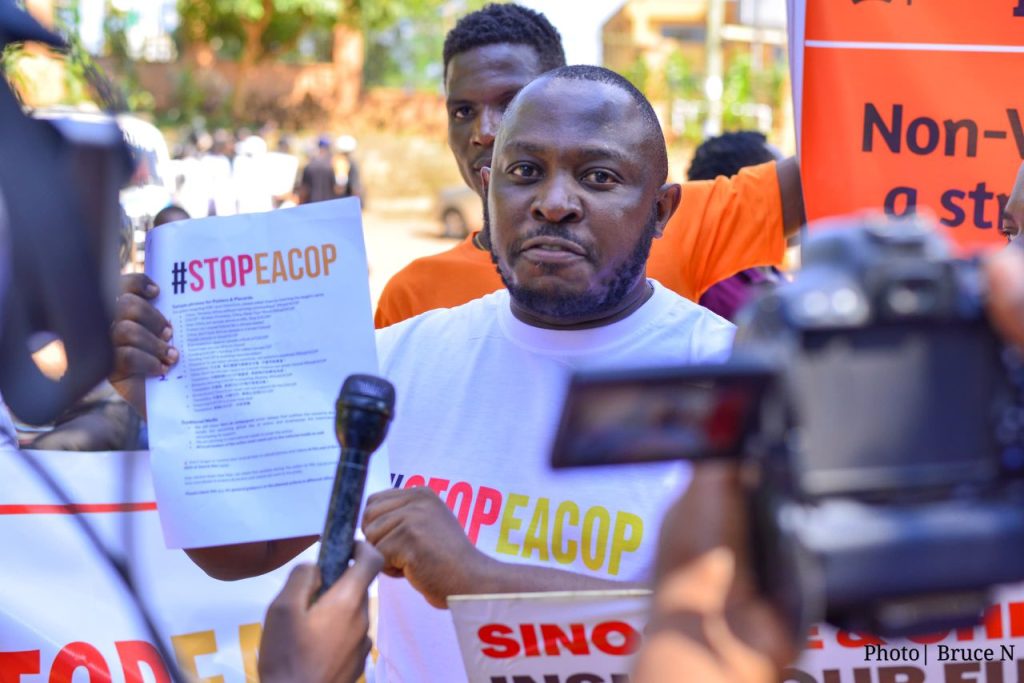
Environmental Defenders Mentorship Program
A program to support, train and protect individuals standing up for environmental justice. Key features:
Mentoring activists on legal rights, non-violent protest, media engagement, digital security, self-care.
Peer networks to share lessons, strategies, and mutual support.
Resources for when defenders are threatened: legal aid, advocacy, safety planning.
Capacity building in documenting environmental harm, using data, mapping, community monitoring.
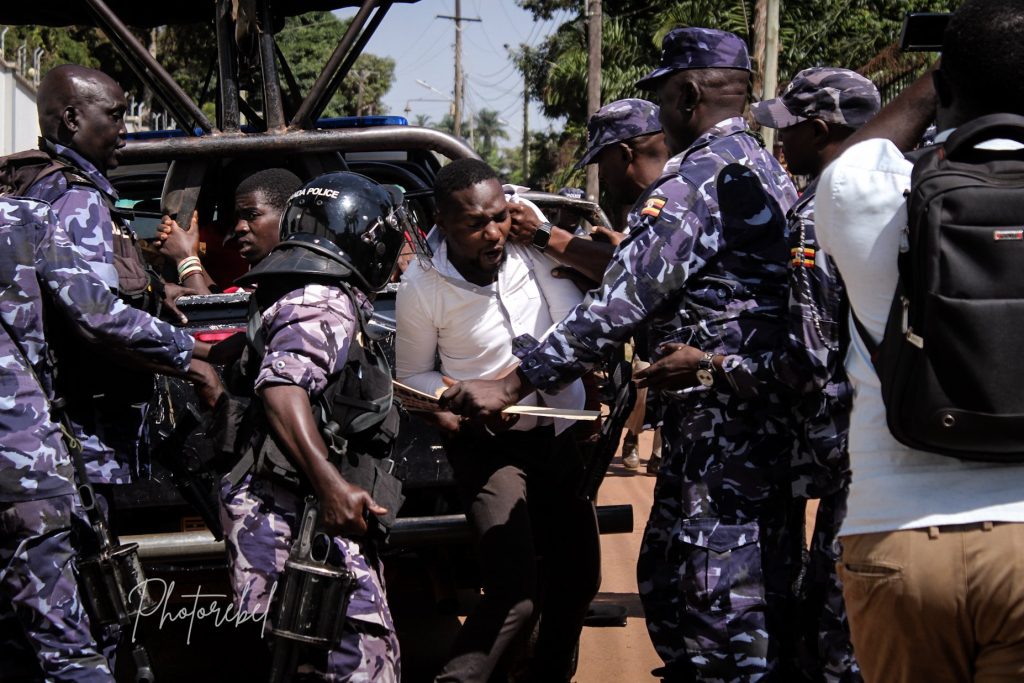
Physo: Social Support to Ex-Environmental Prisoners
“Physo” is a placeholder name for a social support program for individuals detained or imprisoned for environmental activism. Components could include:
Legal aid and access to justice: helping with bail, representation, appeal processes.
Psychosocial support: counseling, trauma healing, reintegration into community after release.
Livelihood support post-release: training, job placements, small grants to rebuild lives.
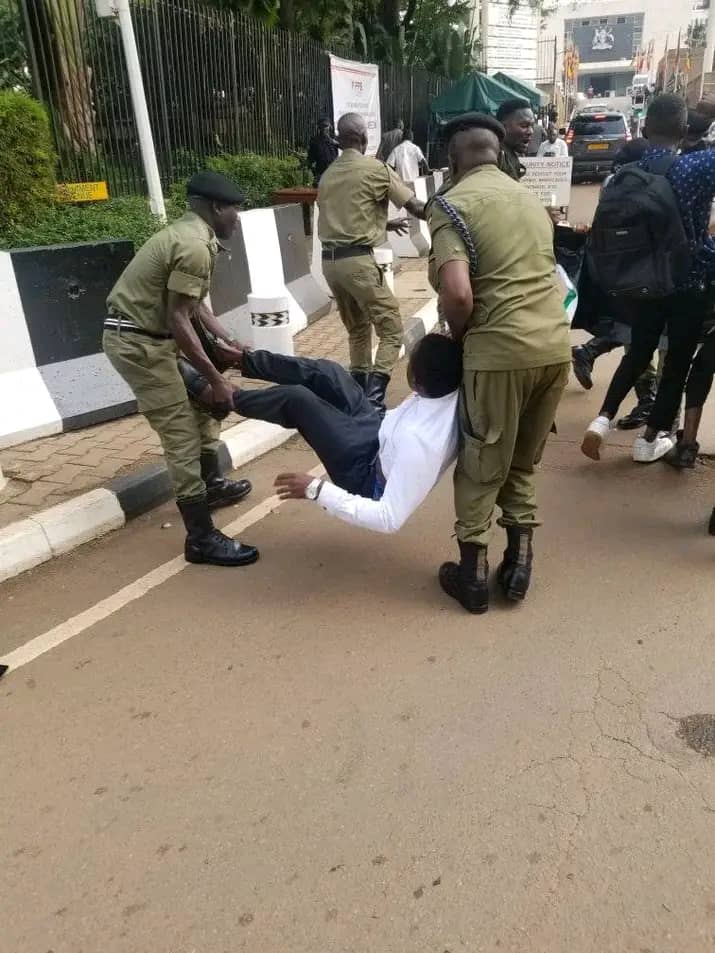
Advocacy to reduce criminalization of environmental defenders, pushing for policy reforms.
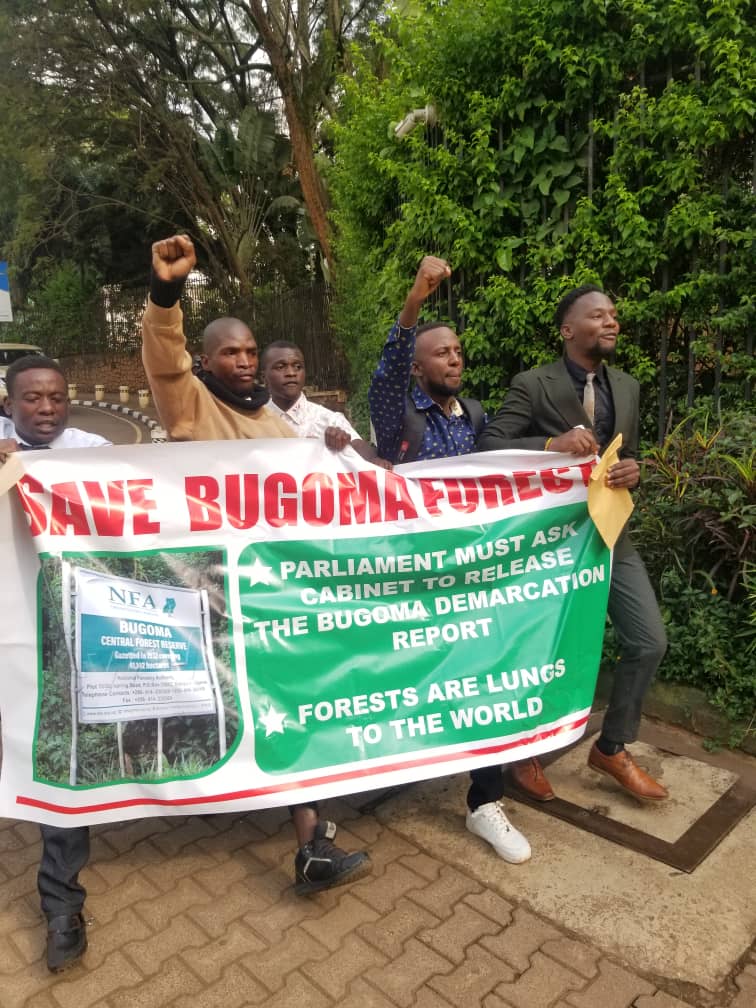
Save Bugoma Forest
This campaign aims to protect Bugoma Forest, a threatened forest in western Uganda, from destruction (e.g. for sugarcane plantations, timber harvesting). Major strategies include:
Legal challenges against industries or permits that threaten the forest.
Public awareness and mobilization: protests, media campaigns, community education.
Lobbying government bodies (e.g. NEMA, forestry authorities) to strengthen legal protection, cancel harmful permits.
Restoration efforts: replanting, protecting corridors, working with local communities.
Supporting eco-tourism or alternative livelihoods to provide incentives for forest conservation.
Save Lwera Wetland Program
A wetlands conservation initiative. Wetlands are often undervalued yet provide critical ecosystem services (flood control, water filtration, habitats). Possible program components:
Mapping and monitoring wetland area, species, water flow quality.
Community outreach to reduce encroachment, pollution, unsustainable agricultural use.
Promoting sustainable agriculture around wetland buffer zones.
Working with government to enforce laws protecting wetlands, zoning.
Restoration of degraded wetland areas (e.g. re-vegetation, removing invasive species).
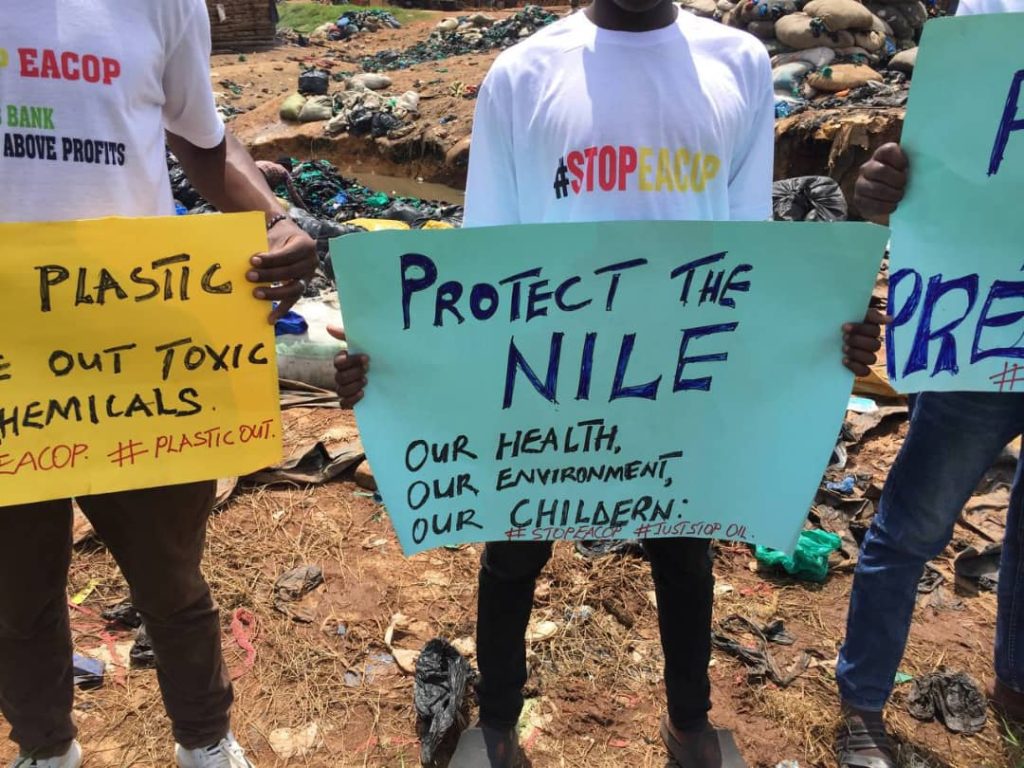
The Friends of River Nile
This program would focus on protection of the River Nile’s health, ecosystems and the communities depending on it. Key features:
Monitoring water quality, flows, pollution sources (industrial, agricultural, domestic).
Advocacy for responsible upstream developments (dams, diversion, hydro projects) to minimize harm.
Community awareness campaigns on issues like plastic pollution, overfishing, riverbank deforestation.
Supporting riparian communities with sustainable livelihoods (e.g. fishing practices, agroforestry on riverbanks).
Partnerships for policy, cross-border cooperation (since the Nile watershed involves many countries).
Be Part of the Climate Justice Movement Today!
Together, we can make a difference for our communities and the environment. Join us in this critical fight.